chris norman


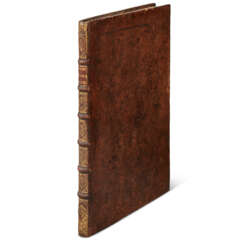

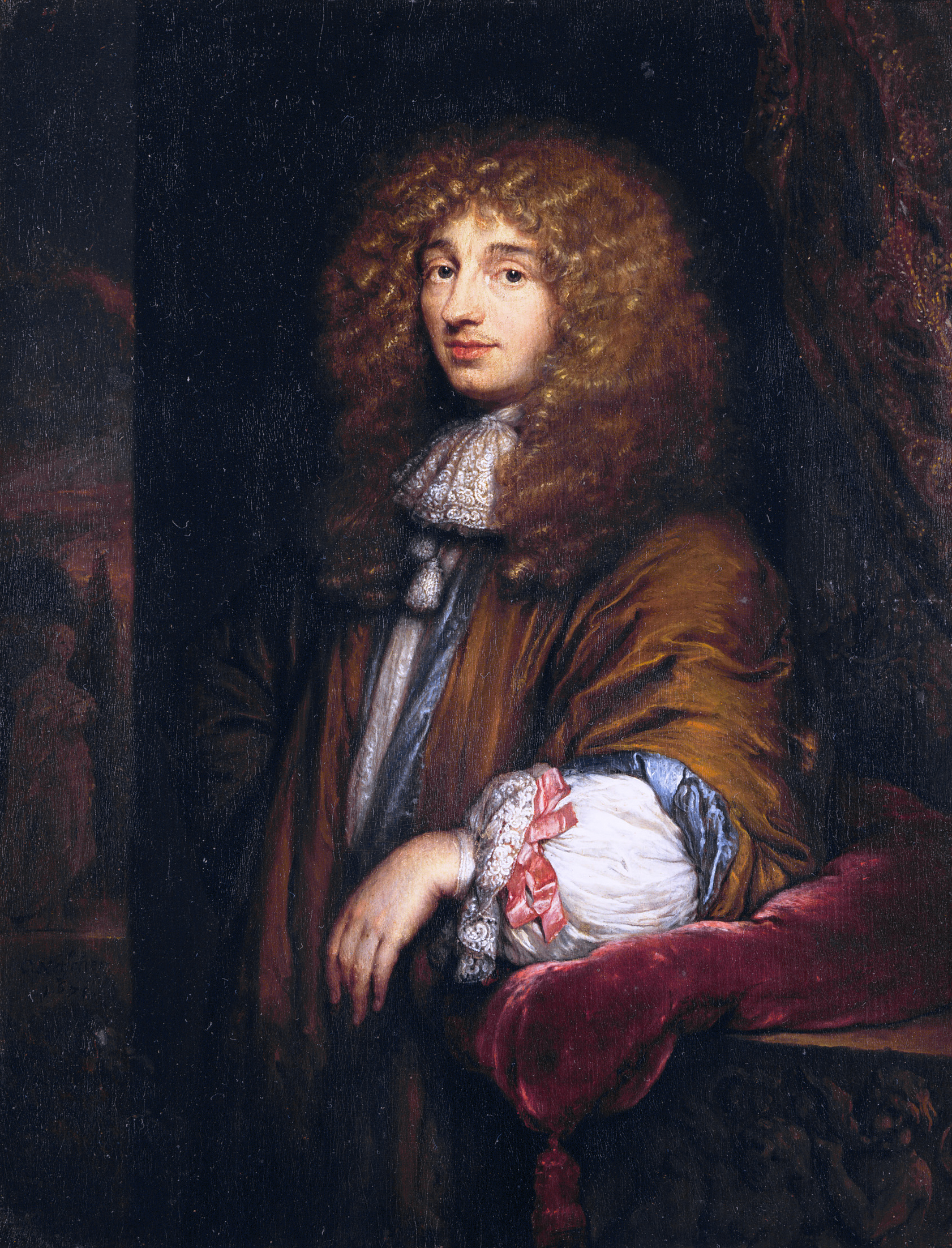
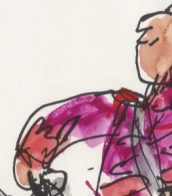
Christiaan Huygens van Zeelhem was a Dutch mechanic, physicist, mathematician, inventor and astronomer who formulated the wave theory of light.
An admirer of Descartes, Huygens preferred to conduct new experiments himself to observe and formulate laws. In physics, he contributed to the development of the crucial Huygens-Fresnel principle, which applies to wave propagation. He also extensively investigated free fall. He experimentally proved the law of conservation of momentum. He derived the law of centrifugal force for uniform circular motion.
He also invented the pendulum clock, discovered centrifugal force and the true shape of Saturn's rings as well as its moon Titan. Huygens is considered the first theoretical physicist to use formulas in physics and one of the founders of theoretical mechanics and probability theory.


Christiaan Huygens van Zeelhem was a Dutch mechanic, physicist, mathematician, inventor and astronomer who formulated the wave theory of light.
An admirer of Descartes, Huygens preferred to conduct new experiments himself to observe and formulate laws. In physics, he contributed to the development of the crucial Huygens-Fresnel principle, which applies to wave propagation. He also extensively investigated free fall. He experimentally proved the law of conservation of momentum. He derived the law of centrifugal force for uniform circular motion.
He also invented the pendulum clock, discovered centrifugal force and the true shape of Saturn's rings as well as its moon Titan. Huygens is considered the first theoretical physicist to use formulas in physics and one of the founders of theoretical mechanics and probability theory.
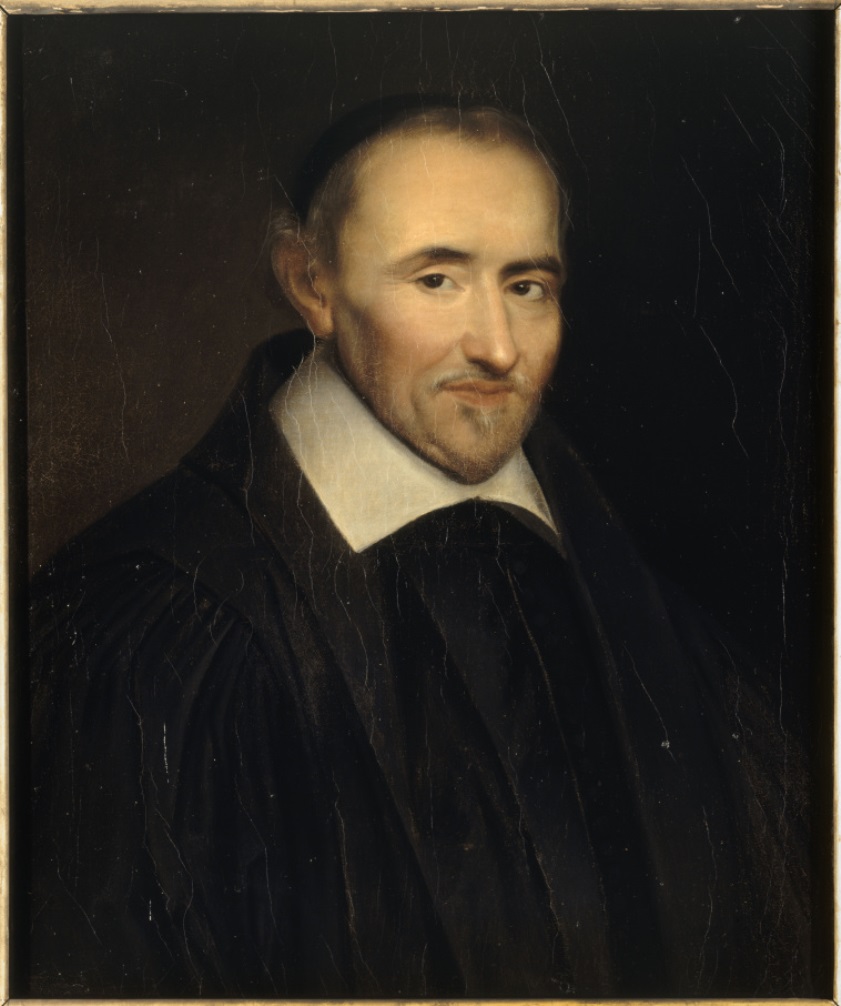
Pierre Gassendi was a French Catholic priest, Epicurean philosopher, mathematician, astronomer and researcher of ancient texts.
He taught rhetoric at Diné and philosophy at Aix-en-Provence. Gassendi's Syntagma philosophicum, the result of his historical research and philosophical reflections, is a well-known work. Several of his works on astronomy, physics and mechanics were also published in the 17th century.
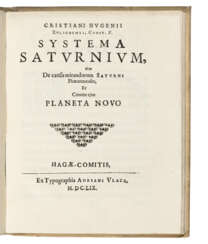

Christiaan Huygens van Zeelhem was a Dutch mechanic, physicist, mathematician, inventor and astronomer who formulated the wave theory of light.
An admirer of Descartes, Huygens preferred to conduct new experiments himself to observe and formulate laws. In physics, he contributed to the development of the crucial Huygens-Fresnel principle, which applies to wave propagation. He also extensively investigated free fall. He experimentally proved the law of conservation of momentum. He derived the law of centrifugal force for uniform circular motion.
He also invented the pendulum clock, discovered centrifugal force and the true shape of Saturn's rings as well as its moon Titan. Huygens is considered the first theoretical physicist to use formulas in physics and one of the founders of theoretical mechanics and probability theory.
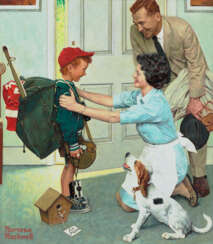

Norman Rockwell was an American illustrator and painter, renowned for his vivid and humane portrayal of American life. Born in New York City in 1894, Rockwell showed artistic promise from an early age, which led him to leave high school and pursue art full-time at prestigious institutions like the National Academy of Design and the Art Students League.
Rockwell's career blossomed early; by the age of 22, he had painted his first cover for The Saturday Evening Post, a relationship that would last nearly five decades and produce 323 covers. His depictions of everyday life and pivotal American moments captured the spirit of the nation.
Perhaps his most significant works were the "Four Freedoms" series, inspired by President Franklin D. Roosevelt's vision of a world founded on four essential human freedoms. These paintings not only graced the covers of The Saturday Evening Post but also played a crucial role in the U.S. war effort during World War II, raising over $130 million through the sale of war bonds.
In his later years, Rockwell did not shy away from addressing social issues. His move to Look magazine allowed him to focus on subjects such as civil rights and poverty, marking a significant shift from his earlier work. "The Problem We All Live With," depicting Ruby Bridges integrating a New Orleans school, remains a powerful symbol of the Civil Rights Movement and showcases Rockwell's ability to engage with contemporary social issues through his art.
For those interested in exploring Rockwell's extensive body of work, the Norman Rockwell Museum in Stockbridge, Massachusetts, holds the largest collection of his original art, providing insights into his artistic journey and the historical context of his works.
If you're keen on further updates and insights into the world of Norman Rockwell, consider signing up for our newsletter. This subscription will keep you informed about new exhibitions, sales, and auction events related to Rockwell's art.
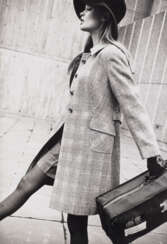

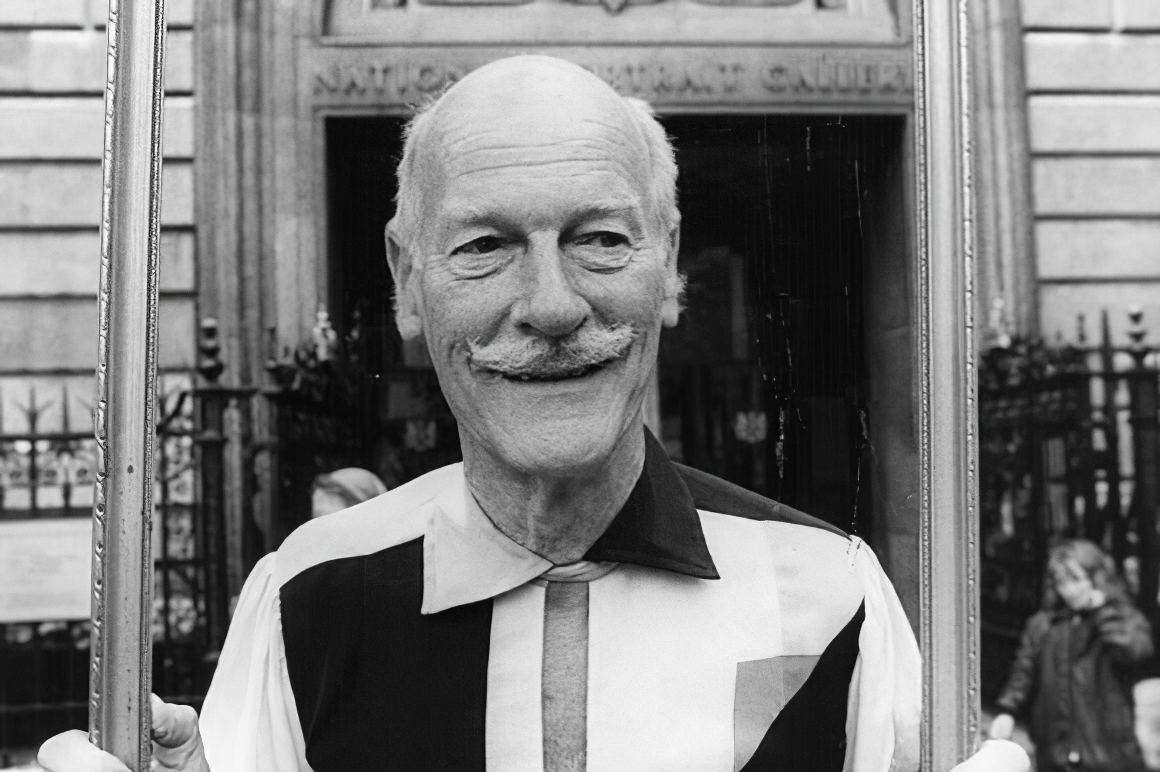
Norman Parkinson was a renowned British photographer who is considered one of the most influential fashion photographers of the 20th century. Parkinson began his career in the 1930s and continued to work until his death.
Throughout his career, Parkinson worked for numerous fashion magazines, including Vogue, Harper's Bazaar, and Queen. He was known for his use of vibrant colors and his ability to capture his subjects in dynamic poses and interesting settings. Parkinson's photographs often had a sense of humor and playfulness, and he was known for his ability to put his models at ease, resulting in natural and spontaneous photographs.
Parkinson's work has been exhibited in galleries and museums around the world, and he has been the subject of numerous books and documentaries. He received numerous awards throughout his career, including the Royal Photographic Society's Centenary Medal in 1985.
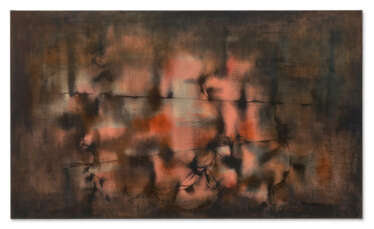

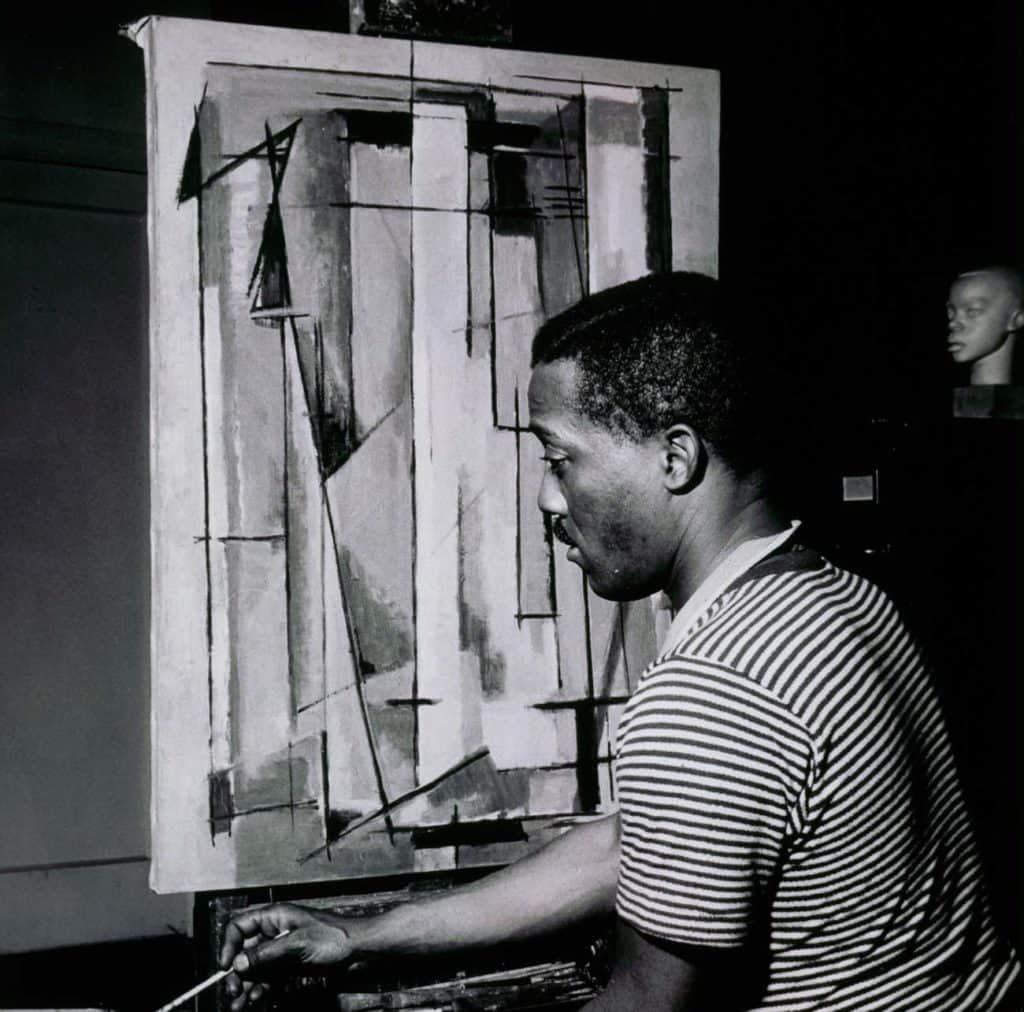
Norman Lewis was an American artist of the mid-twentieth century. He is known as the only dark-skinned representative of the first wave of abstract expressionism in the United States, born and living most of his life in the "black" New York neighborhood of Harlem.
Norman Lewis early in his career worked in the domestic genre in the style of social realism. In his paintings he depicted everyday Harlem scenes. Later the artist switched to abstract works, focusing more on aesthetics rather than content.

Norman Rockwell was an American illustrator and painter, renowned for his vivid and humane portrayal of American life. Born in New York City in 1894, Rockwell showed artistic promise from an early age, which led him to leave high school and pursue art full-time at prestigious institutions like the National Academy of Design and the Art Students League.
Rockwell's career blossomed early; by the age of 22, he had painted his first cover for The Saturday Evening Post, a relationship that would last nearly five decades and produce 323 covers. His depictions of everyday life and pivotal American moments captured the spirit of the nation.
Perhaps his most significant works were the "Four Freedoms" series, inspired by President Franklin D. Roosevelt's vision of a world founded on four essential human freedoms. These paintings not only graced the covers of The Saturday Evening Post but also played a crucial role in the U.S. war effort during World War II, raising over $130 million through the sale of war bonds.
In his later years, Rockwell did not shy away from addressing social issues. His move to Look magazine allowed him to focus on subjects such as civil rights and poverty, marking a significant shift from his earlier work. "The Problem We All Live With," depicting Ruby Bridges integrating a New Orleans school, remains a powerful symbol of the Civil Rights Movement and showcases Rockwell's ability to engage with contemporary social issues through his art.
For those interested in exploring Rockwell's extensive body of work, the Norman Rockwell Museum in Stockbridge, Massachusetts, holds the largest collection of his original art, providing insights into his artistic journey and the historical context of his works.
If you're keen on further updates and insights into the world of Norman Rockwell, consider signing up for our newsletter. This subscription will keep you informed about new exhibitions, sales, and auction events related to Rockwell's art.
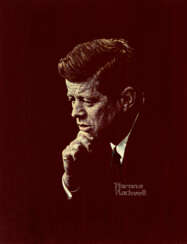

Norman Rockwell was an American illustrator and painter, renowned for his vivid and humane portrayal of American life. Born in New York City in 1894, Rockwell showed artistic promise from an early age, which led him to leave high school and pursue art full-time at prestigious institutions like the National Academy of Design and the Art Students League.
Rockwell's career blossomed early; by the age of 22, he had painted his first cover for The Saturday Evening Post, a relationship that would last nearly five decades and produce 323 covers. His depictions of everyday life and pivotal American moments captured the spirit of the nation.
Perhaps his most significant works were the "Four Freedoms" series, inspired by President Franklin D. Roosevelt's vision of a world founded on four essential human freedoms. These paintings not only graced the covers of The Saturday Evening Post but also played a crucial role in the U.S. war effort during World War II, raising over $130 million through the sale of war bonds.
In his later years, Rockwell did not shy away from addressing social issues. His move to Look magazine allowed him to focus on subjects such as civil rights and poverty, marking a significant shift from his earlier work. "The Problem We All Live With," depicting Ruby Bridges integrating a New Orleans school, remains a powerful symbol of the Civil Rights Movement and showcases Rockwell's ability to engage with contemporary social issues through his art.
For those interested in exploring Rockwell's extensive body of work, the Norman Rockwell Museum in Stockbridge, Massachusetts, holds the largest collection of his original art, providing insights into his artistic journey and the historical context of his works.
If you're keen on further updates and insights into the world of Norman Rockwell, consider signing up for our newsletter. This subscription will keep you informed about new exhibitions, sales, and auction events related to Rockwell's art.
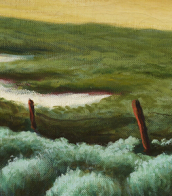
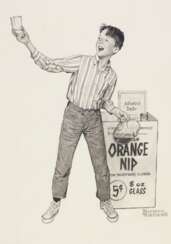

Norman Rockwell was an American illustrator and painter, renowned for his vivid and humane portrayal of American life. Born in New York City in 1894, Rockwell showed artistic promise from an early age, which led him to leave high school and pursue art full-time at prestigious institutions like the National Academy of Design and the Art Students League.
Rockwell's career blossomed early; by the age of 22, he had painted his first cover for The Saturday Evening Post, a relationship that would last nearly five decades and produce 323 covers. His depictions of everyday life and pivotal American moments captured the spirit of the nation.
Perhaps his most significant works were the "Four Freedoms" series, inspired by President Franklin D. Roosevelt's vision of a world founded on four essential human freedoms. These paintings not only graced the covers of The Saturday Evening Post but also played a crucial role in the U.S. war effort during World War II, raising over $130 million through the sale of war bonds.
In his later years, Rockwell did not shy away from addressing social issues. His move to Look magazine allowed him to focus on subjects such as civil rights and poverty, marking a significant shift from his earlier work. "The Problem We All Live With," depicting Ruby Bridges integrating a New Orleans school, remains a powerful symbol of the Civil Rights Movement and showcases Rockwell's ability to engage with contemporary social issues through his art.
For those interested in exploring Rockwell's extensive body of work, the Norman Rockwell Museum in Stockbridge, Massachusetts, holds the largest collection of his original art, providing insights into his artistic journey and the historical context of his works.
If you're keen on further updates and insights into the world of Norman Rockwell, consider signing up for our newsletter. This subscription will keep you informed about new exhibitions, sales, and auction events related to Rockwell's art.
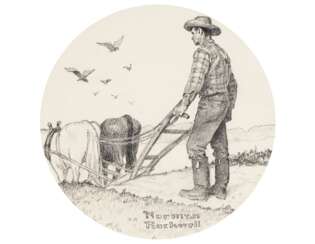

Norman Rockwell was an American illustrator and painter, renowned for his vivid and humane portrayal of American life. Born in New York City in 1894, Rockwell showed artistic promise from an early age, which led him to leave high school and pursue art full-time at prestigious institutions like the National Academy of Design and the Art Students League.
Rockwell's career blossomed early; by the age of 22, he had painted his first cover for The Saturday Evening Post, a relationship that would last nearly five decades and produce 323 covers. His depictions of everyday life and pivotal American moments captured the spirit of the nation.
Perhaps his most significant works were the "Four Freedoms" series, inspired by President Franklin D. Roosevelt's vision of a world founded on four essential human freedoms. These paintings not only graced the covers of The Saturday Evening Post but also played a crucial role in the U.S. war effort during World War II, raising over $130 million through the sale of war bonds.
In his later years, Rockwell did not shy away from addressing social issues. His move to Look magazine allowed him to focus on subjects such as civil rights and poverty, marking a significant shift from his earlier work. "The Problem We All Live With," depicting Ruby Bridges integrating a New Orleans school, remains a powerful symbol of the Civil Rights Movement and showcases Rockwell's ability to engage with contemporary social issues through his art.
For those interested in exploring Rockwell's extensive body of work, the Norman Rockwell Museum in Stockbridge, Massachusetts, holds the largest collection of his original art, providing insights into his artistic journey and the historical context of his works.
If you're keen on further updates and insights into the world of Norman Rockwell, consider signing up for our newsletter. This subscription will keep you informed about new exhibitions, sales, and auction events related to Rockwell's art.
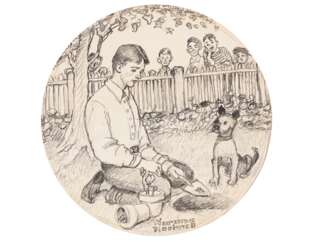

Norman Rockwell was an American illustrator and painter, renowned for his vivid and humane portrayal of American life. Born in New York City in 1894, Rockwell showed artistic promise from an early age, which led him to leave high school and pursue art full-time at prestigious institutions like the National Academy of Design and the Art Students League.
Rockwell's career blossomed early; by the age of 22, he had painted his first cover for The Saturday Evening Post, a relationship that would last nearly five decades and produce 323 covers. His depictions of everyday life and pivotal American moments captured the spirit of the nation.
Perhaps his most significant works were the "Four Freedoms" series, inspired by President Franklin D. Roosevelt's vision of a world founded on four essential human freedoms. These paintings not only graced the covers of The Saturday Evening Post but also played a crucial role in the U.S. war effort during World War II, raising over $130 million through the sale of war bonds.
In his later years, Rockwell did not shy away from addressing social issues. His move to Look magazine allowed him to focus on subjects such as civil rights and poverty, marking a significant shift from his earlier work. "The Problem We All Live With," depicting Ruby Bridges integrating a New Orleans school, remains a powerful symbol of the Civil Rights Movement and showcases Rockwell's ability to engage with contemporary social issues through his art.
For those interested in exploring Rockwell's extensive body of work, the Norman Rockwell Museum in Stockbridge, Massachusetts, holds the largest collection of his original art, providing insights into his artistic journey and the historical context of his works.
If you're keen on further updates and insights into the world of Norman Rockwell, consider signing up for our newsletter. This subscription will keep you informed about new exhibitions, sales, and auction events related to Rockwell's art.
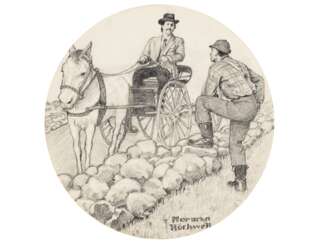

Norman Rockwell was an American illustrator and painter, renowned for his vivid and humane portrayal of American life. Born in New York City in 1894, Rockwell showed artistic promise from an early age, which led him to leave high school and pursue art full-time at prestigious institutions like the National Academy of Design and the Art Students League.
Rockwell's career blossomed early; by the age of 22, he had painted his first cover for The Saturday Evening Post, a relationship that would last nearly five decades and produce 323 covers. His depictions of everyday life and pivotal American moments captured the spirit of the nation.
Perhaps his most significant works were the "Four Freedoms" series, inspired by President Franklin D. Roosevelt's vision of a world founded on four essential human freedoms. These paintings not only graced the covers of The Saturday Evening Post but also played a crucial role in the U.S. war effort during World War II, raising over $130 million through the sale of war bonds.
In his later years, Rockwell did not shy away from addressing social issues. His move to Look magazine allowed him to focus on subjects such as civil rights and poverty, marking a significant shift from his earlier work. "The Problem We All Live With," depicting Ruby Bridges integrating a New Orleans school, remains a powerful symbol of the Civil Rights Movement and showcases Rockwell's ability to engage with contemporary social issues through his art.
For those interested in exploring Rockwell's extensive body of work, the Norman Rockwell Museum in Stockbridge, Massachusetts, holds the largest collection of his original art, providing insights into his artistic journey and the historical context of his works.
If you're keen on further updates and insights into the world of Norman Rockwell, consider signing up for our newsletter. This subscription will keep you informed about new exhibitions, sales, and auction events related to Rockwell's art.
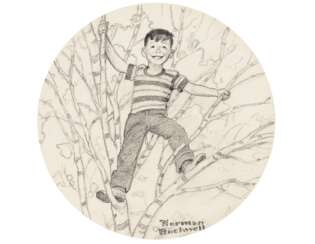

Norman Rockwell was an American illustrator and painter, renowned for his vivid and humane portrayal of American life. Born in New York City in 1894, Rockwell showed artistic promise from an early age, which led him to leave high school and pursue art full-time at prestigious institutions like the National Academy of Design and the Art Students League.
Rockwell's career blossomed early; by the age of 22, he had painted his first cover for The Saturday Evening Post, a relationship that would last nearly five decades and produce 323 covers. His depictions of everyday life and pivotal American moments captured the spirit of the nation.
Perhaps his most significant works were the "Four Freedoms" series, inspired by President Franklin D. Roosevelt's vision of a world founded on four essential human freedoms. These paintings not only graced the covers of The Saturday Evening Post but also played a crucial role in the U.S. war effort during World War II, raising over $130 million through the sale of war bonds.
In his later years, Rockwell did not shy away from addressing social issues. His move to Look magazine allowed him to focus on subjects such as civil rights and poverty, marking a significant shift from his earlier work. "The Problem We All Live With," depicting Ruby Bridges integrating a New Orleans school, remains a powerful symbol of the Civil Rights Movement and showcases Rockwell's ability to engage with contemporary social issues through his art.
For those interested in exploring Rockwell's extensive body of work, the Norman Rockwell Museum in Stockbridge, Massachusetts, holds the largest collection of his original art, providing insights into his artistic journey and the historical context of his works.
If you're keen on further updates and insights into the world of Norman Rockwell, consider signing up for our newsletter. This subscription will keep you informed about new exhibitions, sales, and auction events related to Rockwell's art.
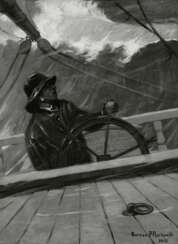

Norman Rockwell was an American illustrator and painter, renowned for his vivid and humane portrayal of American life. Born in New York City in 1894, Rockwell showed artistic promise from an early age, which led him to leave high school and pursue art full-time at prestigious institutions like the National Academy of Design and the Art Students League.
Rockwell's career blossomed early; by the age of 22, he had painted his first cover for The Saturday Evening Post, a relationship that would last nearly five decades and produce 323 covers. His depictions of everyday life and pivotal American moments captured the spirit of the nation.
Perhaps his most significant works were the "Four Freedoms" series, inspired by President Franklin D. Roosevelt's vision of a world founded on four essential human freedoms. These paintings not only graced the covers of The Saturday Evening Post but also played a crucial role in the U.S. war effort during World War II, raising over $130 million through the sale of war bonds.
In his later years, Rockwell did not shy away from addressing social issues. His move to Look magazine allowed him to focus on subjects such as civil rights and poverty, marking a significant shift from his earlier work. "The Problem We All Live With," depicting Ruby Bridges integrating a New Orleans school, remains a powerful symbol of the Civil Rights Movement and showcases Rockwell's ability to engage with contemporary social issues through his art.
For those interested in exploring Rockwell's extensive body of work, the Norman Rockwell Museum in Stockbridge, Massachusetts, holds the largest collection of his original art, providing insights into his artistic journey and the historical context of his works.
If you're keen on further updates and insights into the world of Norman Rockwell, consider signing up for our newsletter. This subscription will keep you informed about new exhibitions, sales, and auction events related to Rockwell's art.
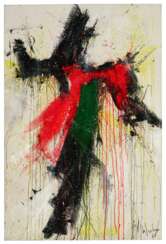

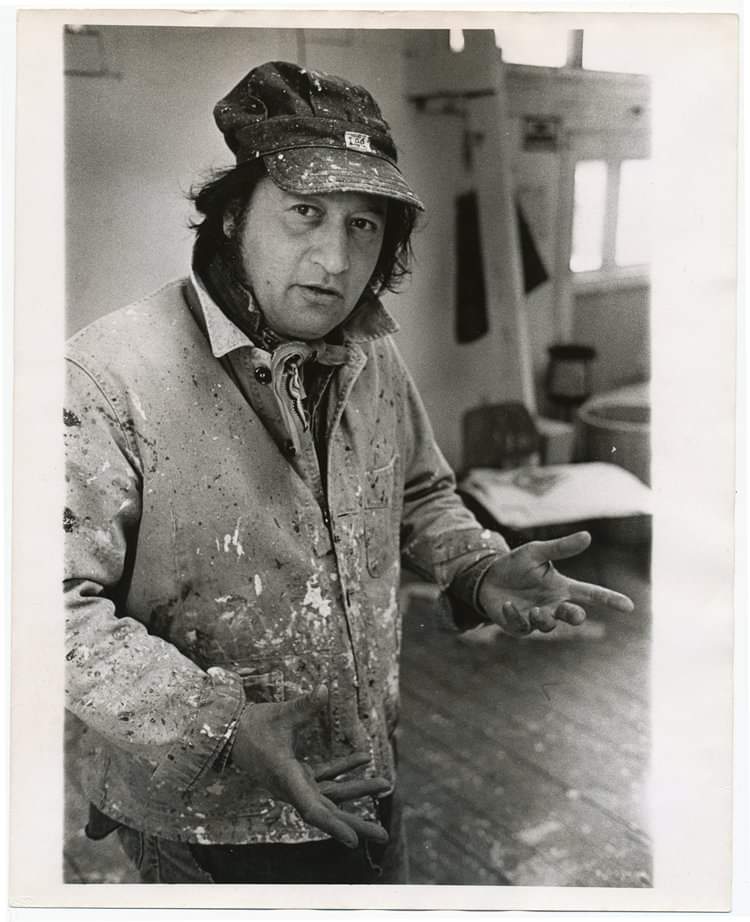
Norman Bluhm was an American painter classified as an abstract expressionist, and as an action painter.
Bluhm's work has been critically praised and his works are in the collections of many major museums. His career is marked by notable stylistic shifts as he continually challenged himself to reach new areas of artistic achievements based on his profound knowledge of art and art history, use of the human figure, color, and a passion for life. Although his style changed dramatically over time, he remained deeply interested in gestural abstraction, and the ethos of Abstract Expressionism.
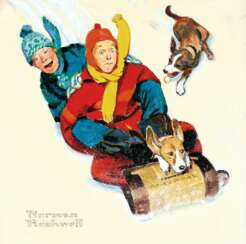

Norman Rockwell was an American illustrator and painter, renowned for his vivid and humane portrayal of American life. Born in New York City in 1894, Rockwell showed artistic promise from an early age, which led him to leave high school and pursue art full-time at prestigious institutions like the National Academy of Design and the Art Students League.
Rockwell's career blossomed early; by the age of 22, he had painted his first cover for The Saturday Evening Post, a relationship that would last nearly five decades and produce 323 covers. His depictions of everyday life and pivotal American moments captured the spirit of the nation.
Perhaps his most significant works were the "Four Freedoms" series, inspired by President Franklin D. Roosevelt's vision of a world founded on four essential human freedoms. These paintings not only graced the covers of The Saturday Evening Post but also played a crucial role in the U.S. war effort during World War II, raising over $130 million through the sale of war bonds.
In his later years, Rockwell did not shy away from addressing social issues. His move to Look magazine allowed him to focus on subjects such as civil rights and poverty, marking a significant shift from his earlier work. "The Problem We All Live With," depicting Ruby Bridges integrating a New Orleans school, remains a powerful symbol of the Civil Rights Movement and showcases Rockwell's ability to engage with contemporary social issues through his art.
For those interested in exploring Rockwell's extensive body of work, the Norman Rockwell Museum in Stockbridge, Massachusetts, holds the largest collection of his original art, providing insights into his artistic journey and the historical context of his works.
If you're keen on further updates and insights into the world of Norman Rockwell, consider signing up for our newsletter. This subscription will keep you informed about new exhibitions, sales, and auction events related to Rockwell's art.
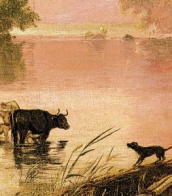


Norman Lewis was an American artist of the mid-twentieth century. He is known as the only dark-skinned representative of the first wave of abstract expressionism in the United States, born and living most of his life in the "black" New York neighborhood of Harlem.
Norman Lewis early in his career worked in the domestic genre in the style of social realism. In his paintings he depicted everyday Harlem scenes. Later the artist switched to abstract works, focusing more on aesthetics rather than content.


Norman Lewis was an American artist of the mid-twentieth century. He is known as the only dark-skinned representative of the first wave of abstract expressionism in the United States, born and living most of his life in the "black" New York neighborhood of Harlem.
Norman Lewis early in his career worked in the domestic genre in the style of social realism. In his paintings he depicted everyday Harlem scenes. Later the artist switched to abstract works, focusing more on aesthetics rather than content.


Norman Bluhm was an American painter classified as an abstract expressionist, and as an action painter.
Bluhm's work has been critically praised and his works are in the collections of many major museums. His career is marked by notable stylistic shifts as he continually challenged himself to reach new areas of artistic achievements based on his profound knowledge of art and art history, use of the human figure, color, and a passion for life. Although his style changed dramatically over time, he remained deeply interested in gestural abstraction, and the ethos of Abstract Expressionism.
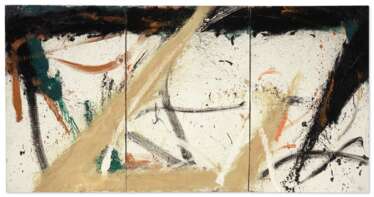

Norman Bluhm was an American painter classified as an abstract expressionist, and as an action painter.
Bluhm's work has been critically praised and his works are in the collections of many major museums. His career is marked by notable stylistic shifts as he continually challenged himself to reach new areas of artistic achievements based on his profound knowledge of art and art history, use of the human figure, color, and a passion for life. Although his style changed dramatically over time, he remained deeply interested in gestural abstraction, and the ethos of Abstract Expressionism.
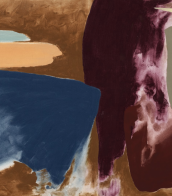
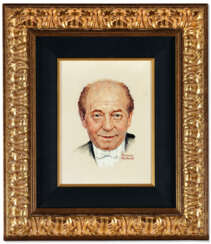

Norman Rockwell was an American illustrator and painter, renowned for his vivid and humane portrayal of American life. Born in New York City in 1894, Rockwell showed artistic promise from an early age, which led him to leave high school and pursue art full-time at prestigious institutions like the National Academy of Design and the Art Students League.
Rockwell's career blossomed early; by the age of 22, he had painted his first cover for The Saturday Evening Post, a relationship that would last nearly five decades and produce 323 covers. His depictions of everyday life and pivotal American moments captured the spirit of the nation.
Perhaps his most significant works were the "Four Freedoms" series, inspired by President Franklin D. Roosevelt's vision of a world founded on four essential human freedoms. These paintings not only graced the covers of The Saturday Evening Post but also played a crucial role in the U.S. war effort during World War II, raising over $130 million through the sale of war bonds.
In his later years, Rockwell did not shy away from addressing social issues. His move to Look magazine allowed him to focus on subjects such as civil rights and poverty, marking a significant shift from his earlier work. "The Problem We All Live With," depicting Ruby Bridges integrating a New Orleans school, remains a powerful symbol of the Civil Rights Movement and showcases Rockwell's ability to engage with contemporary social issues through his art.
For those interested in exploring Rockwell's extensive body of work, the Norman Rockwell Museum in Stockbridge, Massachusetts, holds the largest collection of his original art, providing insights into his artistic journey and the historical context of his works.
If you're keen on further updates and insights into the world of Norman Rockwell, consider signing up for our newsletter. This subscription will keep you informed about new exhibitions, sales, and auction events related to Rockwell's art.
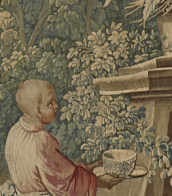
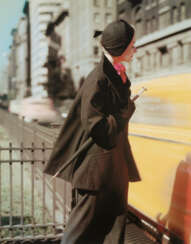

Norman Parkinson was a renowned British photographer who is considered one of the most influential fashion photographers of the 20th century. Parkinson began his career in the 1930s and continued to work until his death.
Throughout his career, Parkinson worked for numerous fashion magazines, including Vogue, Harper's Bazaar, and Queen. He was known for his use of vibrant colors and his ability to capture his subjects in dynamic poses and interesting settings. Parkinson's photographs often had a sense of humor and playfulness, and he was known for his ability to put his models at ease, resulting in natural and spontaneous photographs.
Parkinson's work has been exhibited in galleries and museums around the world, and he has been the subject of numerous books and documentaries. He received numerous awards throughout his career, including the Royal Photographic Society's Centenary Medal in 1985.
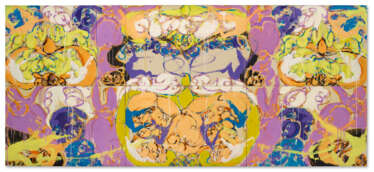

Norman Bluhm was an American painter classified as an abstract expressionist, and as an action painter.
Bluhm's work has been critically praised and his works are in the collections of many major museums. His career is marked by notable stylistic shifts as he continually challenged himself to reach new areas of artistic achievements based on his profound knowledge of art and art history, use of the human figure, color, and a passion for life. Although his style changed dramatically over time, he remained deeply interested in gestural abstraction, and the ethos of Abstract Expressionism.


Norman Parkinson was a renowned British photographer who is considered one of the most influential fashion photographers of the 20th century. Parkinson began his career in the 1930s and continued to work until his death.
Throughout his career, Parkinson worked for numerous fashion magazines, including Vogue, Harper's Bazaar, and Queen. He was known for his use of vibrant colors and his ability to capture his subjects in dynamic poses and interesting settings. Parkinson's photographs often had a sense of humor and playfulness, and he was known for his ability to put his models at ease, resulting in natural and spontaneous photographs.
Parkinson's work has been exhibited in galleries and museums around the world, and he has been the subject of numerous books and documentaries. He received numerous awards throughout his career, including the Royal Photographic Society's Centenary Medal in 1985.
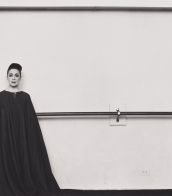


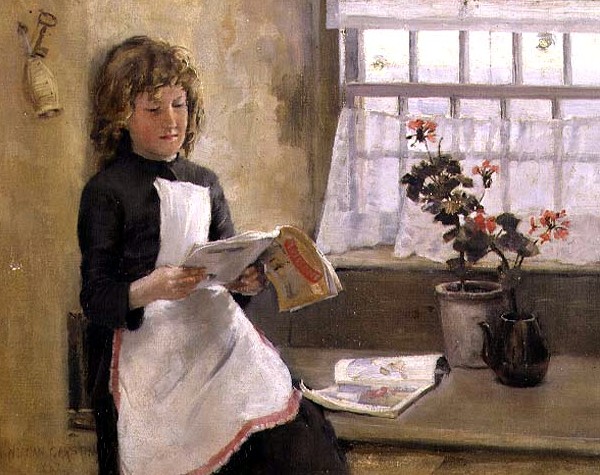
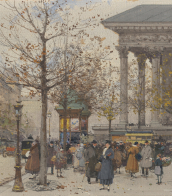


Norman Parkinson was a renowned British photographer who is considered one of the most influential fashion photographers of the 20th century. Parkinson began his career in the 1930s and continued to work until his death.
Throughout his career, Parkinson worked for numerous fashion magazines, including Vogue, Harper's Bazaar, and Queen. He was known for his use of vibrant colors and his ability to capture his subjects in dynamic poses and interesting settings. Parkinson's photographs often had a sense of humor and playfulness, and he was known for his ability to put his models at ease, resulting in natural and spontaneous photographs.
Parkinson's work has been exhibited in galleries and museums around the world, and he has been the subject of numerous books and documentaries. He received numerous awards throughout his career, including the Royal Photographic Society's Centenary Medal in 1985.


Norman Bluhm was an American painter classified as an abstract expressionist, and as an action painter.
Bluhm's work has been critically praised and his works are in the collections of many major museums. His career is marked by notable stylistic shifts as he continually challenged himself to reach new areas of artistic achievements based on his profound knowledge of art and art history, use of the human figure, color, and a passion for life. Although his style changed dramatically over time, he remained deeply interested in gestural abstraction, and the ethos of Abstract Expressionism.
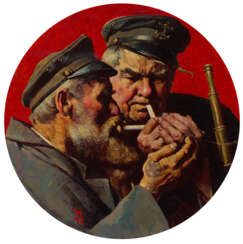

Norman Rockwell was an American illustrator and painter, renowned for his vivid and humane portrayal of American life. Born in New York City in 1894, Rockwell showed artistic promise from an early age, which led him to leave high school and pursue art full-time at prestigious institutions like the National Academy of Design and the Art Students League.
Rockwell's career blossomed early; by the age of 22, he had painted his first cover for The Saturday Evening Post, a relationship that would last nearly five decades and produce 323 covers. His depictions of everyday life and pivotal American moments captured the spirit of the nation.
Perhaps his most significant works were the "Four Freedoms" series, inspired by President Franklin D. Roosevelt's vision of a world founded on four essential human freedoms. These paintings not only graced the covers of The Saturday Evening Post but also played a crucial role in the U.S. war effort during World War II, raising over $130 million through the sale of war bonds.
In his later years, Rockwell did not shy away from addressing social issues. His move to Look magazine allowed him to focus on subjects such as civil rights and poverty, marking a significant shift from his earlier work. "The Problem We All Live With," depicting Ruby Bridges integrating a New Orleans school, remains a powerful symbol of the Civil Rights Movement and showcases Rockwell's ability to engage with contemporary social issues through his art.
For those interested in exploring Rockwell's extensive body of work, the Norman Rockwell Museum in Stockbridge, Massachusetts, holds the largest collection of his original art, providing insights into his artistic journey and the historical context of his works.
If you're keen on further updates and insights into the world of Norman Rockwell, consider signing up for our newsletter. This subscription will keep you informed about new exhibitions, sales, and auction events related to Rockwell's art.


Norman Parkinson was a renowned British photographer who is considered one of the most influential fashion photographers of the 20th century. Parkinson began his career in the 1930s and continued to work until his death.
Throughout his career, Parkinson worked for numerous fashion magazines, including Vogue, Harper's Bazaar, and Queen. He was known for his use of vibrant colors and his ability to capture his subjects in dynamic poses and interesting settings. Parkinson's photographs often had a sense of humor and playfulness, and he was known for his ability to put his models at ease, resulting in natural and spontaneous photographs.
Parkinson's work has been exhibited in galleries and museums around the world, and he has been the subject of numerous books and documentaries. He received numerous awards throughout his career, including the Royal Photographic Society's Centenary Medal in 1985.